
Best Restaurant Management Software in Nepal: Orders, Menus, POS, Inventory & Analytics with Restronp
Restronp Team · · Estimated reading time: 14 min read
Explore Restronp as restaurant management software for Nepal—order management (OMS-style), menu control, inventory and stock, integrated POS, guest CRM, reporting and analytics, staff roles, tables and reservations in one cloud stack.
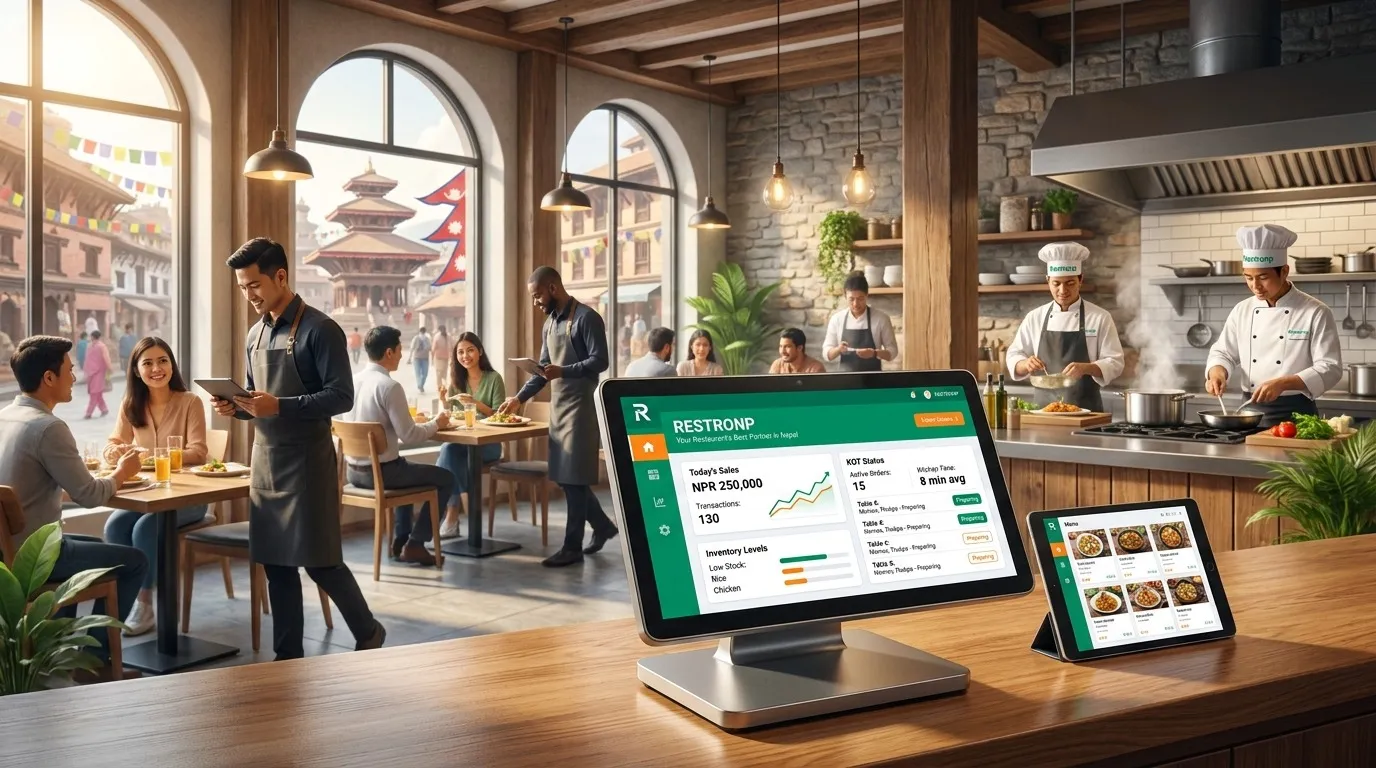
Why Nepali restaurants want one connected system
The best restaurant management software in Nepal is rarely “one killer button”—it is a spine that connects intake, kitchen, billing, stock, and insight so teams stop reconciling five tools after midnight. Restronp is built for that reality: menus, orders, tables, payments, KOT, inventory signals, roles, and reporting in a single operational picture—whether you run a lane in Kathmandu, a highway QSR, or several branches.
Order management: dine-in, takeaway, and delivery
Strong order management covers reservations and walk-ins, counter queues, and rider handoffs. Your team should see order status in real time—accepted, in prep, ready—so guests wait less and the pass stays calm. Tie phone and platform volume into one discipline with ideas from our centralized ordering hub guide.
Menu management and customization
Menus are living data: NPR prices, combos, modifiers, and seasonal sets must update fast—especially when suppliers move rates mid-week. Central menu management keeps dine-in, takeaway, and QR menus aligned so guests never screenshot yesterday’s special while the cashier rings today’s price.
Inventory control and stock management
Track what moves, set sensible minimums, and catch variance before month-end closes. Light recipe ties help explain why premium ingredients vanished faster than sales imply—see inventory management for Nepal restaurants for discipline that matches Nepali kitchens.
Integrated point of sale (POS)
An integrated restaurant POS logs orders once, applies taxes and service charges consistently, and supports cash, cards, transfers, and wallets such as eSewa, Khalti, and bank-app QR flows. Receipts should match tickets so audits and sharp-eyed guests stay satisfied—compare evaluation tips in restaurant POS software in Nepal.
Guest relationships and loyalty-style CRM
Capture contacts with consent, remember preferences where it helps service, and attach rewards to real bills—not guesswork at the door. Practical loyalty thinking lives in customer loyalty programmes; keep outreach honest and staff training short.
Reporting and analytics
Move beyond “today’s total” to hour shapes, category mix, void reasons, and payment-channel splits. Pair live sales insights with purchasing decisions so festivals do not surprise both the pass and the storeroom.
Staff roles, scheduling mindset, and accountability
Modern stacks rely on role-based access: who can discount, void, edit menus, or see supplier rates. Scheduling and attendance depth varies by product maturity—start with clear ownership per shift and escalate to deeper HR tooling if your accountant requires it.
Table management and reservations
Floor discipline—merged tables, outdoor sections, reservations versus walk-ins—protects turns during weddings and tourism peaks. Align QR table codes with stable IDs so bills follow the seat; explore menu and table management patterns when layouts get complex.
Kitchen alignment with every channel
Orders mean nothing if KOT timing slips. Coordinate printed tickets with optional display rhythms—read kitchen display systems when volume merits it.
Conclusion: an all-in-one stack you can actually run
Software should shorten the distance between guest intent and settled bill—not add ceremony. Restronp ties the pieces operators ask for—OMS-style clarity, menus, stock, POS, guest memory, analytics, tables, and staff guardrails—into workflows Nepali crews can sustain night after night.
Next steps
Visit features, read the FAQ, or contact Restronp to map modules to your format and peak hours.
More blogs
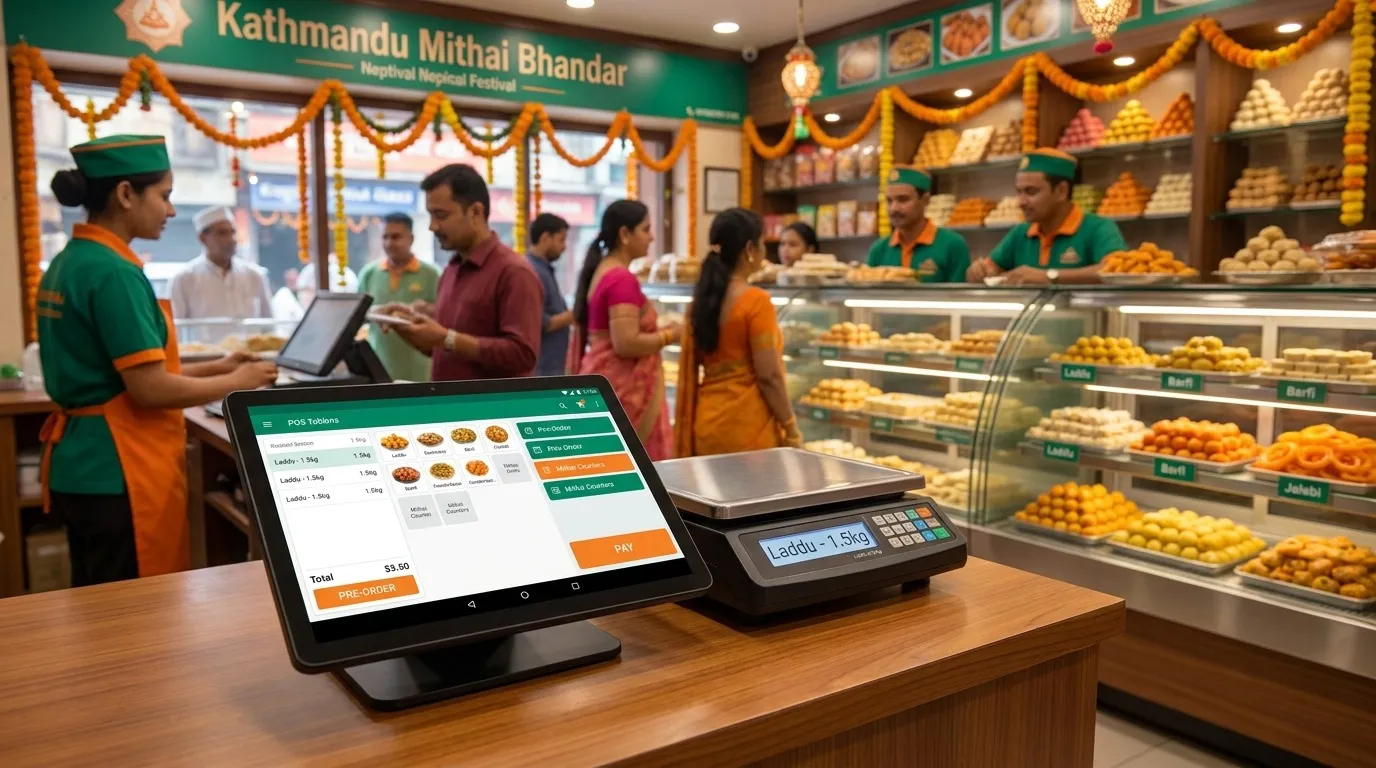
Sweet Shop POS in Nepal: Mithai Counters, Festivals & Pre-Orders
Restronp guide: sweet shop & mithai Nepal—restaurant billing software Nepal, fast billing restaurant Nepal, free inventory management software Nepal signals, billing invoice restaurant Nepal, pre-orders & festival peaks.
Restaurant POS Software for Fine & Casual Dining in Nepal
Restronp SEO guide: fine & casual dining in Nepal—restaurant POS software Nepal, reservation management software Nepal, table and space management Nepal, billing invoice restaurant Nepal, KOT/BOT, dine-in takeaway delivery Nepal POS.
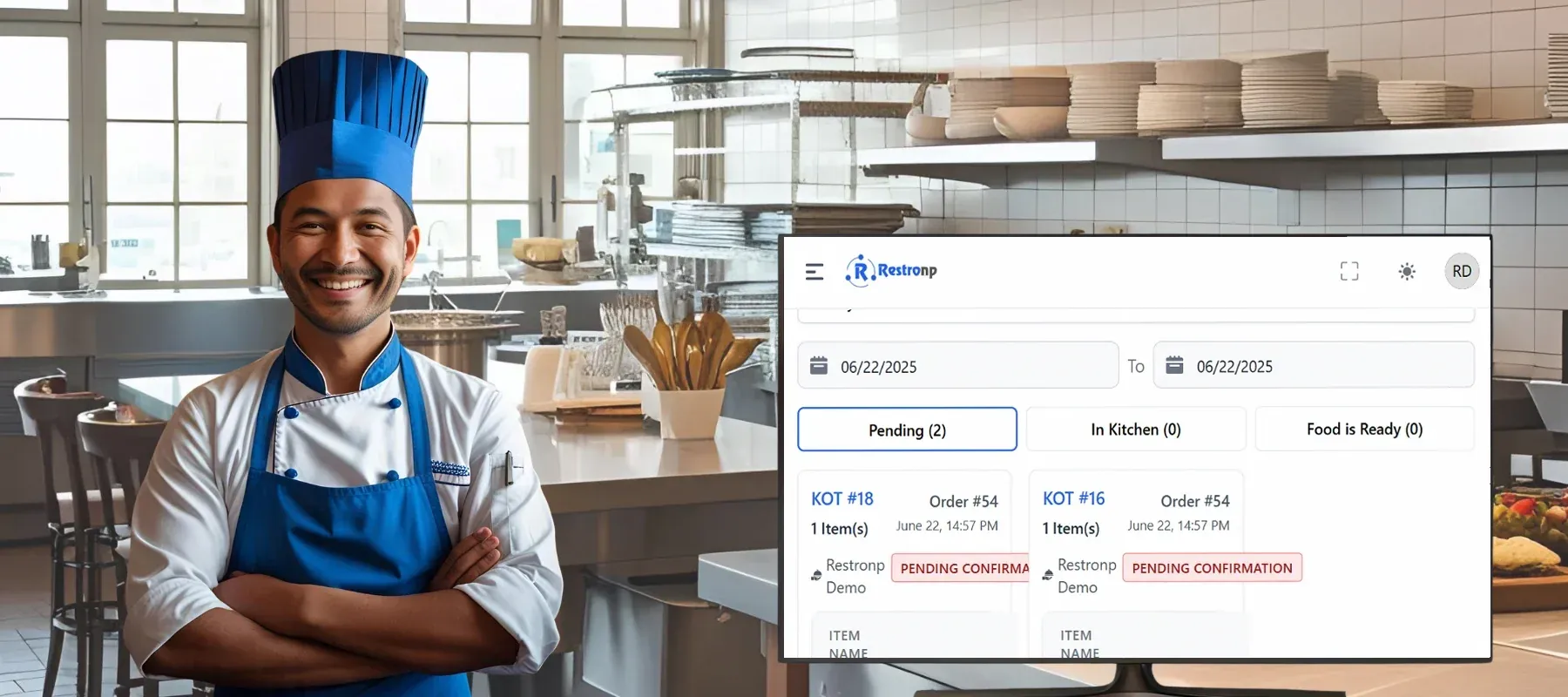
Streamlining Kitchen Operations with KOT Systems: A Game Changer for Nepali Eateries
Streamlining Kitchen Operations with KOT Systems: A Game Changer for Nepali Eateries
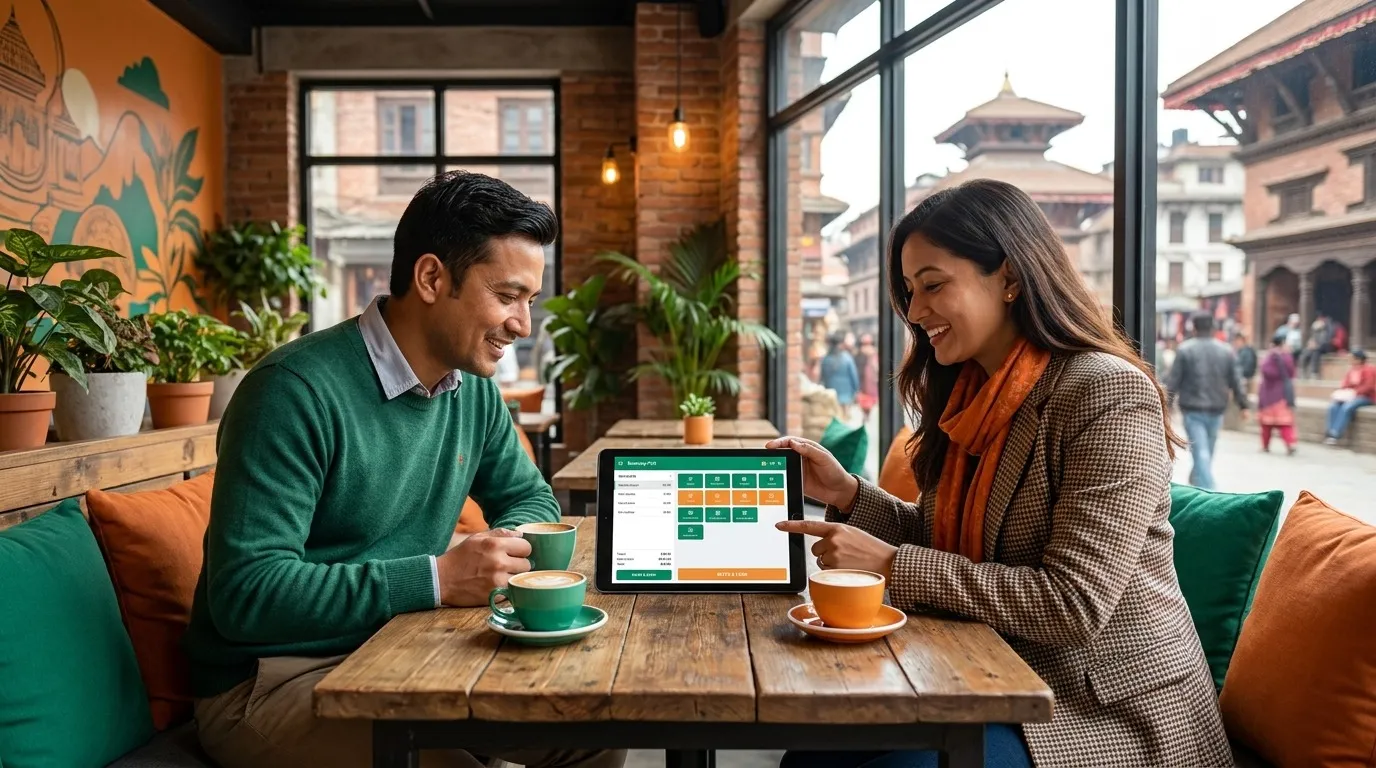
Refer & Earn: Share Restronp and Grow Together in Nepal
How referral and partner-style rewards work for restaurant software in Nepal—spread the word, help fellow owners modernise operations, and ask Restronp about active refer-and-earn or partner benefits.